Blocked Drains Springvale
Slow sinks, gurgling toilets, sewage at the gully or a kitchen drain full of fat. We clear Springvale drains with eels and jetters, then show you the cause on camera.
or email info@springvaleplumbing.com.au
- Springvale based
- Licensed plumbers and gasfitters
- Price agreed first
- Homes and shops
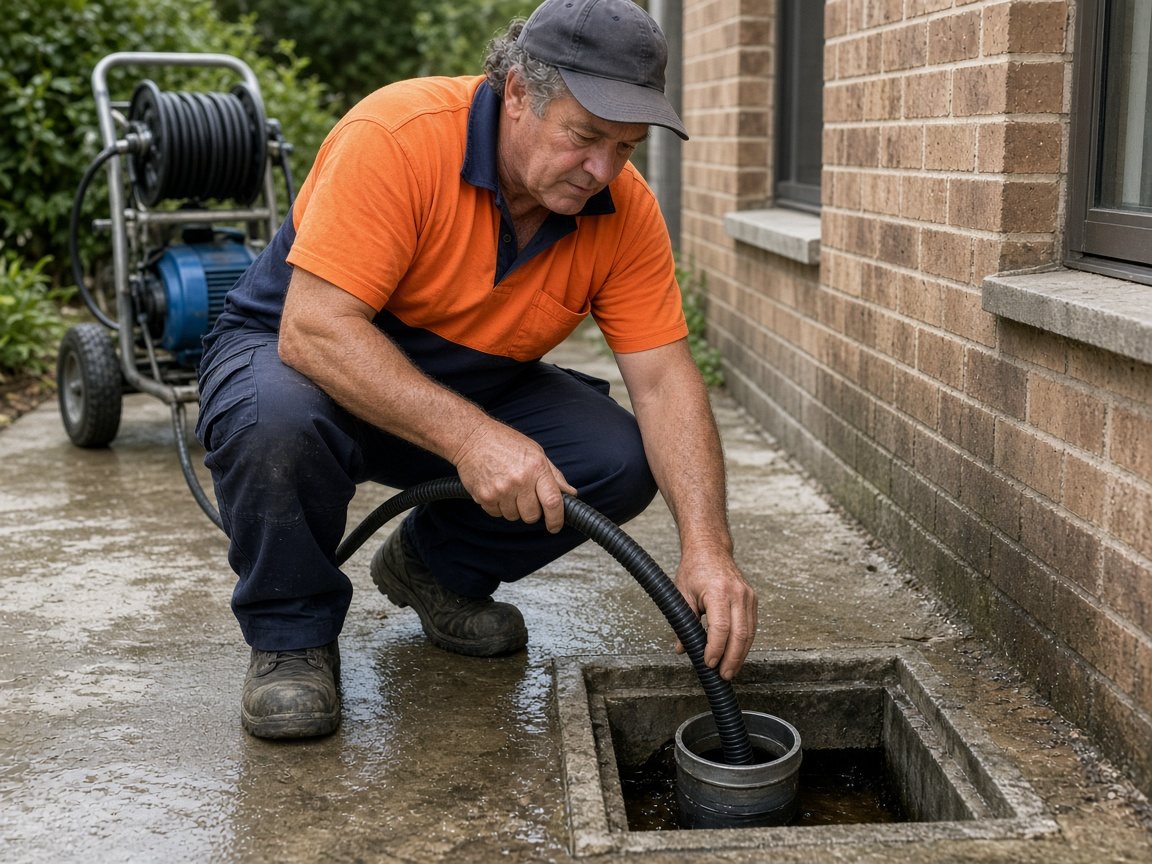
Signs a drain is blocking
Most blockages give warning before they overflow. Watch for:
- a sink, shower or basin that drains slowly, then slower again
- toilets that gurgle, or water in the bowl rising before it falls
- bubbling in a floor waste when the washing machine empties
- a sewer smell outside near the laundry or bathroom
- water lifting the overflow relief gully grate, or wet ground around it
- several fixtures slowing at once, which points to the main sewer line rather than one trap
If one fixture is slow, the blockage is probably in its own branch. If the whole house is affected, it is further down the main line.
Why Springvale drains block
Roots in old clay pipes
Much of Springvale was built after the Second World War, when sewer lines were laid in earthenware pipe in short lengths with mortar or rubber ring joints. Sixty-odd years of ground movement have opened many of those joints, and roots from trees in yards and nature strips have found their way in. Inside the warm, wet pipe they grow into a mat that catches everything else. Root blockages come back unless the cause is dealt with.
Fat and food in kitchen drains
Springvale cooks. Many households cook large meals every day, often with plenty of oil, and the suburb is full of restaurants and takeaways. Fat poured down the sink cools and sets on the pipe walls, gathering rice, noodles and food scraps until the pipe closes up. Kitchen lines in older houses often run a long way to the sewer, which gives fat more room to settle.
Wipes and sanitary items
"Flushable" wipes do not break down like toilet paper. They tangle in roots and joints and build into solid plugs. In large households and shared unit blocks, they are one of the most common causes of toilet blockages we clear.
Shared lines in unit blocks
Many Springvale unit blocks from the 1960s and 1970s share a sewer line that runs past several units before reaching the main. A blockage near the end can affect everyone upstream, and the unit at the lowest point usually sees it first. We find exactly where it is so the owners corporation, landlord or neighbours know whose section needs work.
Broken and sagging pipes
Ground movement, old driveways and earlier building work can crack or dip pipes. Water sits in the dip, waste settles and the line blocks again. A camera inspection shows exactly where.
How we clear blocked drains
We start by finding the best access point, usually the overflow relief gully, an inspection opening or a toilet pan. Then we choose the tool for the blockage:
- Electric eel: a rotating cable with cutting heads that chews through roots and hard plugs.
- High-pressure water jetter: water at very high pressure through a nozzle that scours fat, sludge and root fragments off the pipe walls and flushes them through. This is our preferred tool for kitchen lines and for leaving a sewer cleaner than we found it.
- Hand tools: for traps, basins and short runs where a big machine is not needed.
Once water is flowing, we run a CCTV camera through the line. You see the footage on screen, and we can send you a copy. That tells us whether this was a one-off or the start of a bigger problem.
After the blockage is cleared
If the camera shows the pipe is sound and the blockage was fat or wipes, the advice is simple: change what goes down the drain. If the pipe is damaged or full of roots, we give you options:
- Maintenance jetting every year or so to keep roots at bay where repair is not yet needed
- Pipe relining, which seals the old pipe from the inside without digging up driveways, paving or gardens
- Section replacement, digging and replacing a broken length with new PVC
- New inspection openings where access is poor, to make future maintenance quicker
We explain the cost and trade-offs of each and let you decide.
Stormwater blockages
Stormwater drains carry rain from your roof and paving to the street or a council drain. They block with leaves, silt, roots and sometimes builders' rubble. Signs include overflowing gutters and downpipes, water pooling against the house and pits that do not drain. We clear stormwater lines with the jetter and camera them just like sewers.
Restaurant and shop drains
Commercial kitchens send far more fat down the drain than any home. A correctly sized and regularly pumped grease arrestor catches most of it, but kitchen lines before the arrestor still block. We jet commercial kitchen lines, check the arrestor and recommend a maintenance schedule so a blockage does not close you down on a busy night.
Can I clear it myself?
For a single slow basin or sink, a plunger or cleaning the trap is fine. Avoid chemical drain cleaners: they rarely clear a real blockage, can damage old pipes and make the job dangerous for the plumber if they are still in the line. If water is coming up at the gully or several fixtures are affected, call us.
Who is responsible?
In Victoria, you are generally responsible for the sewer pipe on your property up to the point where it connects to the water corporation's sewer, and South East Water looks after the mains in this area. If the camera shows the blockage is in the main or at the connection, we tell you and you can report it to them.
Keeping drains clear
- Wipe greasy pans and plates with paper towel before washing them, and put cooled fat in the bin.
- Use a sink strainer and empty it into the bin or compost.
- Only flush toilet paper.
- Keep the overflow gully grate clear and a little above the surrounding ground.
- Plant new trees well away from the sewer line.
- Book maintenance jetting if you have known root problems.
Blocked toilets and floor wastes
When only one toilet is blocked and the rest of the house drains normally, the blockage is usually in the pan or the short branch below it. When the toilet and shower both back up, or water appears in a floor waste when the toilet is flushed, the main line is blocked. Do not keep flushing. We clear the line from the gully or an inspection opening rather than forcing a blockage further down through the toilet.
Camera footage you can keep
Every major drain clearing ends with a camera check. We show you the footage on site and send a copy you can keep. It is useful if you are buying or selling a house, talking to an insurer, sorting out a shared line with neighbours, or planning a renovation over the top of the drain. It also means any recommendation we make is backed by something you have seen with your own eyes.
Drains under extensions and driveways
Many Springvale houses have been extended over their original sewer lines, and subdivided blocks often have drains under new driveways. When these lines block or break, access is the problem. We locate the pipe from above with a sonde, find the safest access and, where relining is suitable, repair it without cutting up concrete or floors.
Recurring blockages
If you have had the same drain cleared more than once in a couple of years, something is causing it: roots at a joint, a sag that holds water and waste, a broken section or fat building up in a long kitchen line. Clearing alone will not stop it happening again. A camera inspection tells us which one it is, and then we can recommend a fix that lasts, rather than booking you in for another clearing next year.
Laundry and washing machine drains
Large households run the washing machine every day, sometimes several times. Lint, sand, hair and detergent residue build up in the laundry trough waste and the line to the gully. A slow trough or water spilling at the gully when the machine empties is a sign. We clear the line and can fit a lint filter on the washing machine outlet hose to slow the build-up.
Shared lines with the neighbours
On subdivided blocks and older properties, sewer lines sometimes cross a neighbour's land or join theirs before reaching the main. When a blockage affects both properties, the camera shows where it is and whose section is involved, which makes conversations with neighbours much easier.
Inspection openings
Many older Springvale sewers have no inspection opening, so the only access is through the gully or a toilet. Adding a proper inspection opening near the house makes future clearing faster and easier, and lets us camera the full line. It is often worth doing at the same time as a repair.
Springvale ground and pipes
Springvale sits on a mix of sandy loam and heavier clay, and much of the suburb was built in the 1950s and 1960s with earthenware sewer pipes and galvanised or early copper water pipe. Clay joints shift over time and let roots in, rusting galvanised pipe slowly narrows and leaks, and drains under subdivided blocks are often shared between homes. We use drain cameras, locators and pressure tests to see exactly what is going on before anyone digs.
How we approach the job
| Tools | Drain camera and locator, high-pressure jetter, thermal and acoustic leak detection, gas pressure testing, backflow test kit |
|---|---|
| Licences | Victorian plumbing licences for water, sanitary, drainage and gasfitting, plus backflow testing |
| Pricing | Fixed price agreed before work starts; free written quotes for larger jobs |
| Materials | WaterMark-certified products installed to Australian Standards |
| Paperwork | Compliance certificates lodged for regulated work; photos and reports on request |
| Clean-up | Old parts removed, area cleaned, everything tested before we leave |
From your call to the finished job
Call or send the form
Tell us what is going on. A photo of the problem helps.
We find the cause
A licensed plumber tests, inspects or uses a camera on site.
You approve the price
A fixed price for the work, before anything starts.
Fixed and certified
Work tested, area cleaned and a compliance certificate where required.
Quote for blocked drains in Springvale
Describe the problem and we will call you back with a time and the next steps.
How quoting works
Ring 03 7076 1660 or send the form with a short note and a photo if you can. A licensed plumber calls you back, asks a few questions and books a time. On site they find the cause, explain your options in plain English and give you a fixed price. Nothing starts until you agree, and larger jobs get a free written quote.
Blocked Drains: common questions
What is the cost to unblock a drain?
That depends on the cause, the length of the line and the access. We find the blockage first and give you a fixed price before clearing it.
How to unblock a severely blocked drain?
Severe blockages need professional tools, usually a high-pressure jetter or an electric eel, followed by a camera check. Avoid caustic chemicals.
Does home insurance cover blocked drains?
Some policies cover sudden damage caused by a blocked drain but not clearing the blockage or gradual root damage. Check your policy, and ask us for a report and photos.
Who is responsible for blocked sewer drains in Australia?
In Victoria, the owner is generally responsible for the drain on their property and the water corporation for the main. A camera inspection shows where the blockage is.
Why Springvale homes and shops call us
Homes and shopfronts
From 1950s brick veneers to restaurant kitchens on the main strip, we work on both every week.
Plain explanations
We show you what we found, in plain English, with photos when they help.
A price before work
You get a fixed price once the fault is found. Nothing starts until you say yes.
Tidy and on time
We ring ahead, protect floors and take the old parts and mess away.
Other plumbing we do in Springvale
Blocked drains around Springvale
Our plumbers handle blocked drains jobs in Springvale and every suburb below.
Need a plumber in Springvale?
Springvale, Springvale South, Noble Park, Keysborough and nearby suburbs. Quote-only: the plumber finds the fault first, then gives you a fixed price.